Follow Up Without Being “That Agent”: Consent, CAN-SPAM & Tone
Quick answer: You can follow up with open house leads without spamming them — and it’s legal — as long as you do four things: get clear consent at sign-in, follow CAN-SPAM (your real identity, a physical mailing address, and a working unsubscribe link in every email), keep a light rhythm, and avoid any Fair Housing missteps in your wording. Do that, and following up isn’t spam. It’s service.
Every agent knows the feeling. You collected a dozen emails at Sunday’s open house, and now you’re staring at your inbox wondering: if I email these people, am I being helpful — or am I being that agent? The one who blasts generic “JUST LISTED!!!” emails until everyone unsubscribes.
Here’s the good news: the difference between follow-up and spam isn’t a mystery, and it isn’t about sending fewer emails. It’s about consent, honesty, and an easy way out. Get those right and you can follow up with confidence — legally and without annoying anyone. This guide is the plain-English version. It’s part of our complete open house follow-up system.
(This article is informational and not legal advice. When in doubt, check with a compliance-savvy broker or attorney.)
Is it legal to email open house visitors?
Yes — in almost every case, emailing someone who signed in at your open house is legal, as long as they gave you their information and you follow the CAN-SPAM Act. CAN-SPAM is the U.S. law that governs commercial email, and it doesn’t require prior opt-in the way some laws do; it requires that you identify yourself honestly, tell people how to stop, and honor that request quickly.
So the question isn’t really “is it legal?” It’s “am I doing it the way the law — and basic courtesy — expects?” The rest of this guide is that checklist.
Get consent the right way
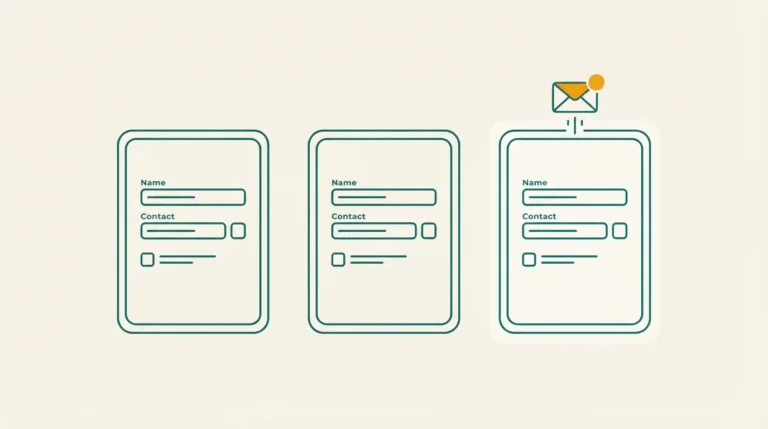
Consent starts at the sign-in sheet, and it’s where a lot of agents quietly cut corners. The rule of thumb: the visitor should knowingly agree to hear from you — not be signed up by default.
- Use a clear, un-checked consent box (“It’s okay to email me follow-ups about this home and similar listings”). Never pre-check it. A pre-checked box isn’t real consent.
- Be honest about what they’re signing up for and roughly how often.
- Don’t require the email to “see the house” — pressured consent isn’t consent.
A good digital sign-in makes this effortless, which is one reason it beats a paper sheet. If you’re choosing a tool, we compare the options in open house sign-in apps with follow-up.
What CAN-SPAM actually requires
CAN-SPAM sounds intimidating, but for a solo agent it comes down to a short checklist. Every follow-up email you send should have:
- A truthful “from” line and subject. The email should clearly be from you, and the subject should describe the actual message — no bait-and-switch.
- Your real identity. Your name, as the sender.
- A valid physical mailing address. Yes, a real postal address is legally required in every commercial email. It can be your brokerage’s address or a P.O. box.
- A clear, working unsubscribe link. One click, no hoops, no “email us to be removed.”
- Prompt opt-out honoring. When someone unsubscribes, stop — the law gives you a window, but the right move is immediate.
Miss the physical address or the unsubscribe link and you’re technically non-compliant, even if your intentions are good. This is exactly the kind of thing that’s easy to forget when you’re copy-pasting from your own inbox — and easy to get right when a tool handles it for you.
See how the open house follow-up tool works →
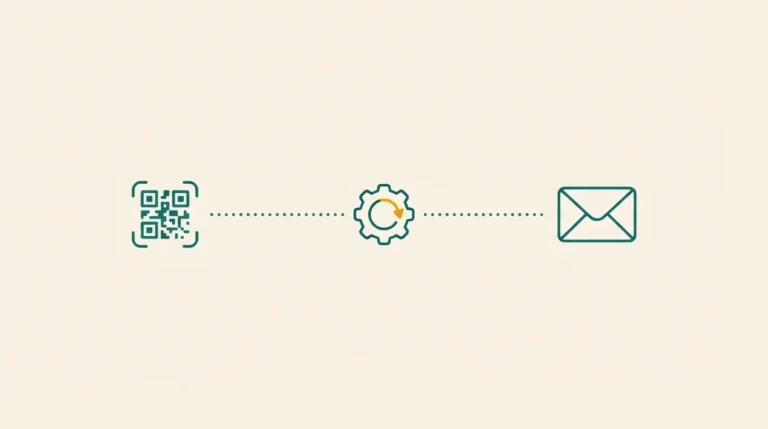
Compliant by default. roostreply adds the unsubscribe link, your sender identity, and a valid mailing address to every follow-up automatically — so your open house emails are CAN-SPAM-ready without you thinking about it.
Fair Housing: watch your words
Compliance isn’t only about CAN-SPAM. As a real estate professional, your follow-up also has to respect the Fair Housing Act — and this one is about language, not logistics.
The principle: talk about the property, the market, and your service — never about who “should” live there. Avoid anything that references or steers based on a protected class (race, religion, national origin, sex, disability, familial status, or age).
Phrases to cut from every template:
- “Perfect for a young family” / “great for families”
- “Safe neighborhood” / “good Christian community”
- “Walking distance to great schools” (as a selling point aimed at families)
- “Ideal for a bachelor” / “perfect for empty nesters”
Instead: “3 beds, 2 baths, updated kitchen, walkable to the train.” Facts about the home, not assumptions about the buyer. Our open house follow-up email templates are written to be Fair-Housing-safe out of the box.
The line between follow-up and spam
You can do everything above and still feel spammy if the rhythm is wrong. Spam isn’t defined by volume alone — it’s defined by whether the recipient finds it useful.
A few tone rules that keep you on the right side of the line:
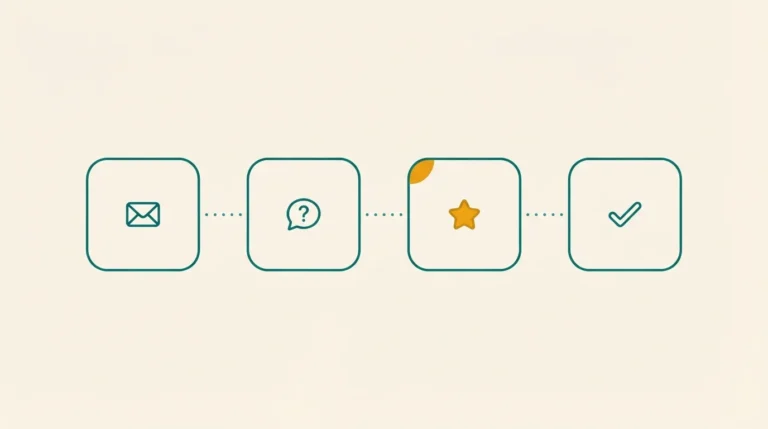
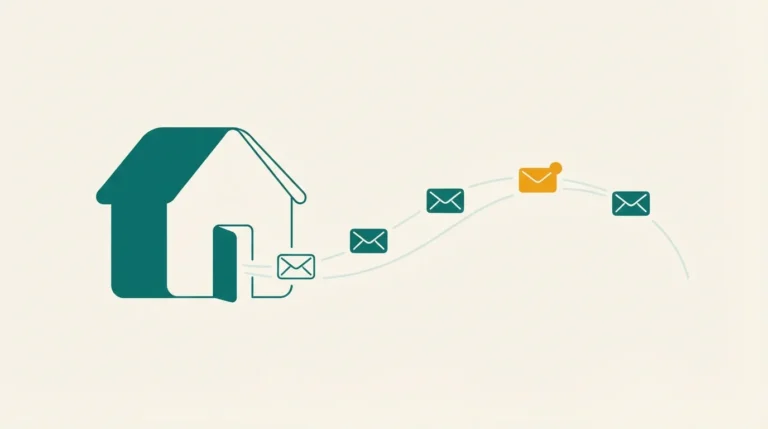
- Light cadence beats carpet-bombing. A 4-touch sequence over a week is follow-up. Ten emails in ten days is spam. (The full cadence is in the follow-up system guide.)
- Every message earns the next one. Lead with something helpful — a comparable listing, a market note, an answer — not “just checking in” for the fourth time.
- Give an exit every time. The unsubscribe link isn’t just legal cover; it’s a trust signal. People relax when they know they can leave.
- Match the channel to consent. Texting has stricter rules (TCPA) than email. If you plan to text, do it by hand and only where it’s welcome — see our open house follow-up text scripts for the manual approach.
Follow those and you’ll never be “that agent.” You’ll be the one people actually reply to.
Frequently asked questions
Is it legal to email people who signed in at my open house?
Generally yes. Emailing an open house visitor who gave you their information is legal under CAN-SPAM, provided each email has a truthful subject, your real identity, a valid physical mailing address, and a working unsubscribe link — and you honor opt-outs promptly. Getting consent at sign-in makes it cleaner still. This is informational, not legal advice.
What does CAN-SPAM require in a real estate follow-up email?
Five things: a truthful “from” and subject line, your identity as the sender, a valid physical postal address, a clear one-click unsubscribe link, and prompt honoring of opt-outs. These apply to every commercial email you send, including open house follow-ups. Missing the physical address or unsubscribe link is the most common violation.
How often should I follow up without being annoying?
A light 4-touch sequence over about a week — same day, day 1, day 3, day 7 — is frequent enough to stay top of mind without crowding the inbox. After that, only continue if the person has opted in to ongoing updates. Volume matters less than usefulness: every message should give the reader a reason to keep listening.
Can I text open house leads instead of emailing?
You can, but texting is governed by stricter rules (TCPA and carrier requirements), so automated marketing texts carry more risk than email. The safer approach is to send follow-up texts by hand, only to people who clearly welcomed them, while letting email carry the automated sequence.
Written by the roostreply team. roostreply is the follow-up tool built for solo real estate agents — compliant open house follow-up, automatically, without an expensive CRM. Last updated: July 17, 2026. This article is informational and not legal advice.
–>